Lotus Golden Real Estate

Mauna Kea vs Hualālai: Which Big Island Resort Is Right for You?

For luxury homebuyers on Hawaii’s Big Island, selecting the right property is only part of the journey—choosing the right community is just as important. Among the island’s most prestigious destinations, Mauna Kea Resort and Hualālai Resort consistently rank among the top choices for buyers seeking world-class amenities, breathtaking landscapes, and an elevated island lifestyle.

Although both communities offer exceptional luxury real estate, each delivers a distinct living experience. Whether your priorities include championship golf, beachfront relaxation, wellness, privacy, or a vibrant resort atmosphere, understanding the differences between these two renowned communities can help you make a confident investment.
Explore exceptional luxury properties across the Big Island with Lotus Golden and discover opportunities tailored to your lifestyle and investment goals.

Mauna Kea Resort: Timeless Luxury Along the Kohala Coast

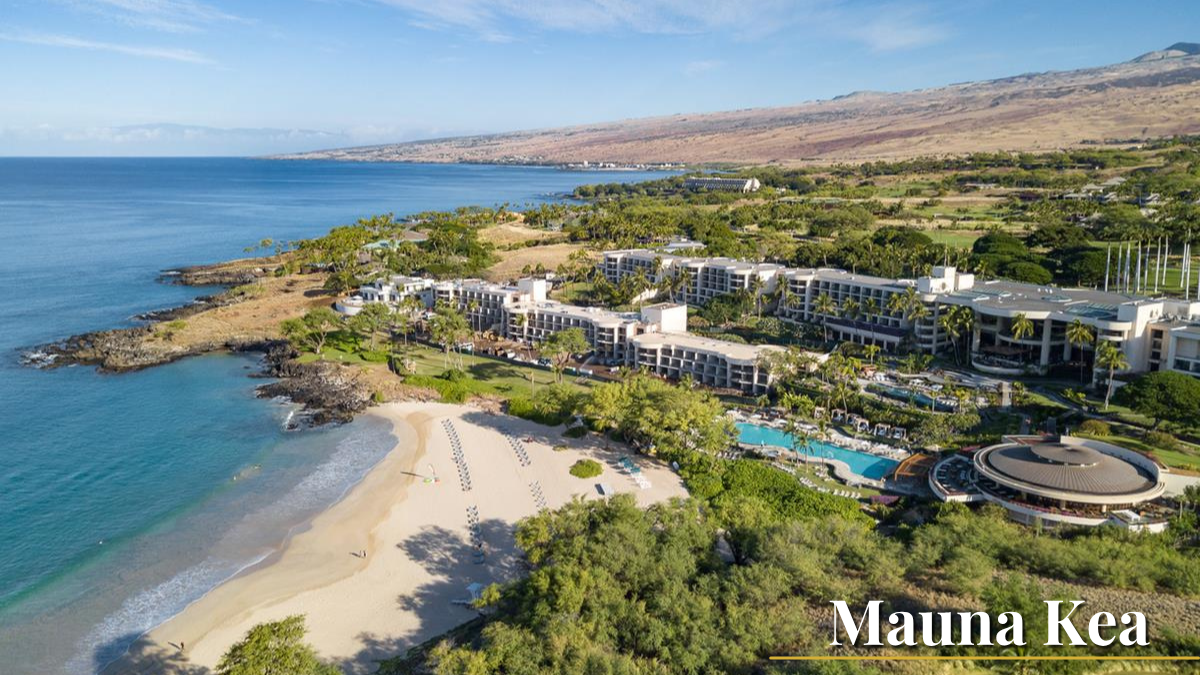
Located on the scenic Kohala Coast, Mauna Kea Resort has long been recognized as one of Hawaii’s most iconic luxury destinations. Known for its relaxed elegance and spectacular natural surroundings, the community appeals to buyers seeking a peaceful retreat without sacrificing access to premium amenities.

Residents enjoy:

  • Championship golf with sweeping ocean views
  • One of Hawaii’s most celebrated white-sand beaches
  • Tennis and fitness facilities
  • Fine dining and oceanfront restaurants
  • Luxury hotel services and resort amenities
  • Scenic walking paths and coastal recreation

The overall atmosphere at Mauna Kea is refined, relaxed, and deeply connected to the island’s natural beauty. Many homeowners are drawn to the area’s spacious properties, mature landscaping, and sense of tranquility.

For buyers looking to escape the pace of everyday life while enjoying a luxurious coastal setting, Mauna Kea offers an exceptional balance of comfort and privacy.
Hualālai Resort: Contemporary Luxury on the Kona Coast

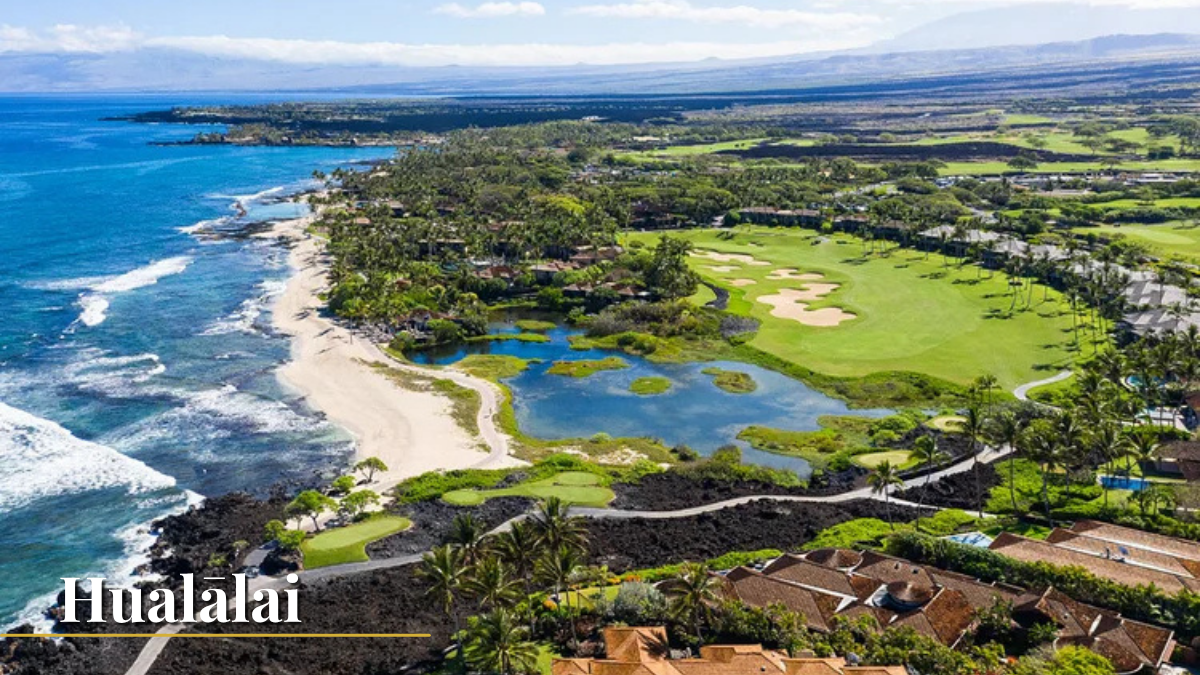
Further south along the Kona Coast, Hualālai Resort offers a more modern interpretation of luxury island living. Home to one of Hawaii’s most exclusive residential communities, Hualālai combines contemporary architecture with exceptional hospitality and resort services.

Residents have access to:

  • A Jack Nicklaus Signature Golf Course
  • Private club amenities
  • Oceanfront dining experiences
  • Wellness and spa facilities
  • Multiple swimming pools
  • Concierge and homeowner services
  • Fitness centers and recreational programs

The community has become particularly popular among buyers who value convenience, personalized service, and an active social environment while maintaining privacy within a gated luxury community.

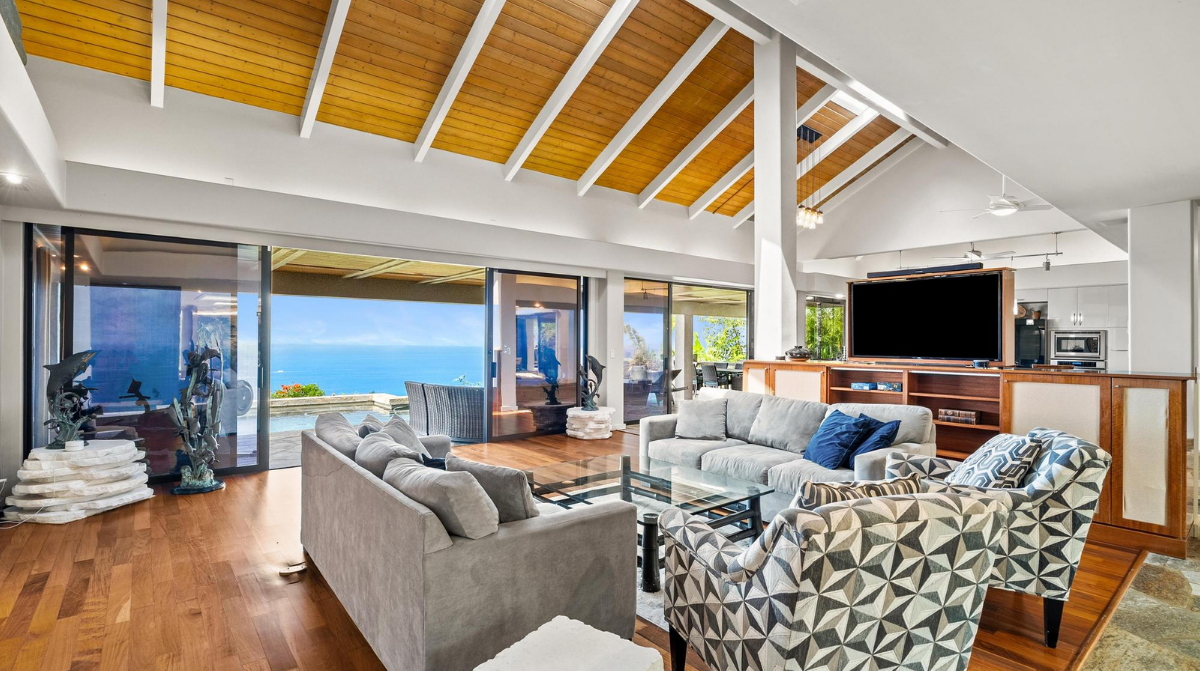
Homes are thoughtfully designed to maximize indoor-outdoor living, taking full advantage of Hawaii’s year-round sunshine and panoramic coastal views.

Comparing the Lifestyle Experience

Although both communities offer luxury living, the day-to-day experience can feel very different.

Choose Mauna Kea if you value:

  • A quieter, more relaxed atmosphere
  • Classic Hawaiian resort charm
  • Spacious homes with timeless architecture
  • Peaceful beaches and scenic surroundings
  • A slower-paced coastal lifestyle

Choose Hualālai if you value:

  • Contemporary luxury residences
  • Extensive resort services
  • A vibrant social community
  • Modern wellness and fitness amenities
  • Easy access to exclusive dining and recreational experiences

Neither community is objectively better than the other—the ideal choice depends entirely on your personal lifestyle preferences.

Real Estate Opportunities

Both Mauna Kea and Hualālai feature some of the most sought-after luxury properties on the Big Island.

Available homes may include:

  • Oceanfront estates
  • Golf course residences
  • Luxury villas
  • Contemporary custom homes
  • Private compounds with expansive outdoor living spaces

Inventory within these communities is often limited, making desirable properties highly competitive when they become available. Working with a knowledgeable local real estate professional can provide valuable insight into current listings and exclusive opportunities.

Investment Potential

Luxury resort communities have consistently demonstrated long-term appeal due to their desirable locations, limited inventory, and exceptional amenities.

Factors supporting their investment value include:

  • Strong demand from domestic and international buyers
  • Established reputations as premier luxury destinations
  • Limited opportunities for future development
  • High-quality infrastructure and resort management
  • Enduring lifestyle appeal that supports long-term property values

While every real estate investment should be evaluated individually, both Mauna Kea and Hualālai continue to attract buyers seeking stability, exclusivity, and long-term ownership.

Amenities Beyond the Home

One of the greatest advantages of resort community ownership is access to experiences that extend far beyond your front door.

Residents can enjoy:

  • Championship golf courses
  • Luxury spas and wellness centers
  • Oceanfront dining
  • Private beach access
  • Concierge services
  • Community events and recreational activities

These amenities create a lifestyle that blends relaxation, recreation, and convenience—making everyday living feel like a permanent vacation.

Which Community Is Right for You?

Choosing between Mauna Kea and Hualālai ultimately comes down to the lifestyle you envision.

If you appreciate timeless elegance, peaceful surroundings, and a classic Hawaiian resort experience, Mauna Kea may be the perfect fit.

If you prefer contemporary luxury, world-class amenities, and an active resort atmosphere with personalized services, Hualālai offers an equally compelling lifestyle.

Both communities represent the very best of Big Island luxury living and continue to attract discerning buyers from around the world.

Final Thoughts

Whether you’re searching for a second home, a primary residence, or a legacy property for future generations, Mauna Kea and Hualālai each offer exceptional opportunities to experience Hawaii at its finest.

Understanding the unique character of each community allows you to choose a home that aligns with your lifestyle, investment goals, and vision for island living.
Ready to explore luxury homes in Mauna Kea or Hualālai? Contact Lotus Golden today to discover exclusive listings and receive personalized guidance in finding your ideal Big Island retreat.

Big Island Luxury Real Estate Market: Q2 2026 Insights

The Big Island’s luxury real estate market continues to evolve in 2026, particularly within the $3 million and above price segment. After several years of rapid appreciation, multiple-offer scenarios, and limited inventory, the market has entered a healthier, more balanced phase. Rather than reacting to urgency, today’s luxury buyers are making thoughtful, long-term decisions based on lifestyle, location, and overall value.

This shift should not be mistaken for a decline in demand. Instead, it reflects the natural progression of a maturing luxury market where quality properties continue to perform well, while buyers have more opportunity to evaluate their options before making a significant investment.

Explore exceptional luxury properties across the Big Island with Lotus Golden and discover opportunities tailored to your lifestyle and investment goals.

Intentional Buyers Are Driving Today’s Market

Luxury buyers in 2026 are approaching the market differently than they did during the post-pandemic surge.

Today’s buyers are asking deeper questions before purchasing:

  • Does this property fit my long-term lifestyle?
  • Will this location continue to hold value over time?
  • Does the home offer privacy, quality construction, and modern amenities?
  • How does this property compare with other luxury opportunities currently available?

Instead of purchasing based solely on scarcity, buyers are carefully weighing every aspect of a property before moving forward.

This intentional approach is creating more balanced negotiations while ensuring that transactions are driven by value rather than urgency.

Lifestyle Remains the Biggest Selling Point

Although buying behavior has evolved, the reasons people choose the Big Island remain remarkably consistent.

Luxury buyers continue to seek:

  • Oceanfront and ocean-view residences
  • Private gated communities
  • Championship golf courses
  • Marina access
  • Resort amenities
  • Spacious outdoor living areas
  • Wellness-focused home designs
  • Peaceful surroundings with year-round warm weather

Communities such as Hualālai, Mauna Kea, Mauna Lani, Kohanaiki, and Waikoloa continue to attract buyers looking for an exceptional combination of luxury and island living.

For many, purchasing on the Big Island is about creating a legacy property where family and friends can gather for generations to come.

More Inventory Creates Better Opportunities

As inventory levels have increased compared to previous years, buyers are benefiting from greater flexibility.

Today’s market allows prospective homeowners to:

  • Compare multiple luxury communities
  • Evaluate architectural styles
  • Negotiate with greater confidence
  • Perform comprehensive inspections
  • Make informed financial decisions

While exceptional homes continue to sell, buyers no longer face the intense pressure that defined the market just a few years ago.

This creates a healthier environment for both buyers and sellers.

Strategic Pricing Matters More Than Ever

One of the clearest trends in today’s luxury market is the importance of realistic pricing.

Buyers are highly informed and have access to extensive market data. Listings priced according to current market conditions are attracting stronger interest than properties positioned around peak pandemic pricing.

Successful sellers are focusing on:

  • Accurate market positioning
  • Professional photography
  • High-quality property presentation
  • Strategic digital marketing
  • Showcasing the unique lifestyle each property offers

Rather than relying on market momentum, today’s sellers are achieving success by demonstrating genuine value.

Long-Term Confidence in Big Island Luxury Real Estate

Despite the market recalibration, confidence in Big Island luxury real estate remains strong.

Affluent buyers continue to recognize the island’s long-term appeal due to its:

  • Limited supply of premier oceanfront properties
  • International reputation as a luxury destination
  • Stable demand for resort communities
  • Unique combination of privacy, recreation, and natural beauty
  • Strong potential for long-term appreciation

Many purchasers view Big Island real estate as more than a financial investment—it is an investment in lifestyle, family, and future generations.

Final Thoughts

The recalibration of the $3 million-plus luxury market represents an evolution rather than a slowdown. Buyers now have the opportunity to make thoughtful decisions, while sellers who embrace strategic pricing and professional marketing continue to achieve successful outcomes.

For those considering buying or selling luxury real estate on the Big Island, understanding today’s market dynamics is essential. With expert guidance and a clear strategy, both buyers and sellers can confidently navigate this new phase of the market.

Whether you’re searching for a luxury oceanfront estate, a private resort residence, or your next investment opportunity, Lotus Golden is here to help you navigate the Big Island’s evolving luxury market with confidence and personalized expertise.

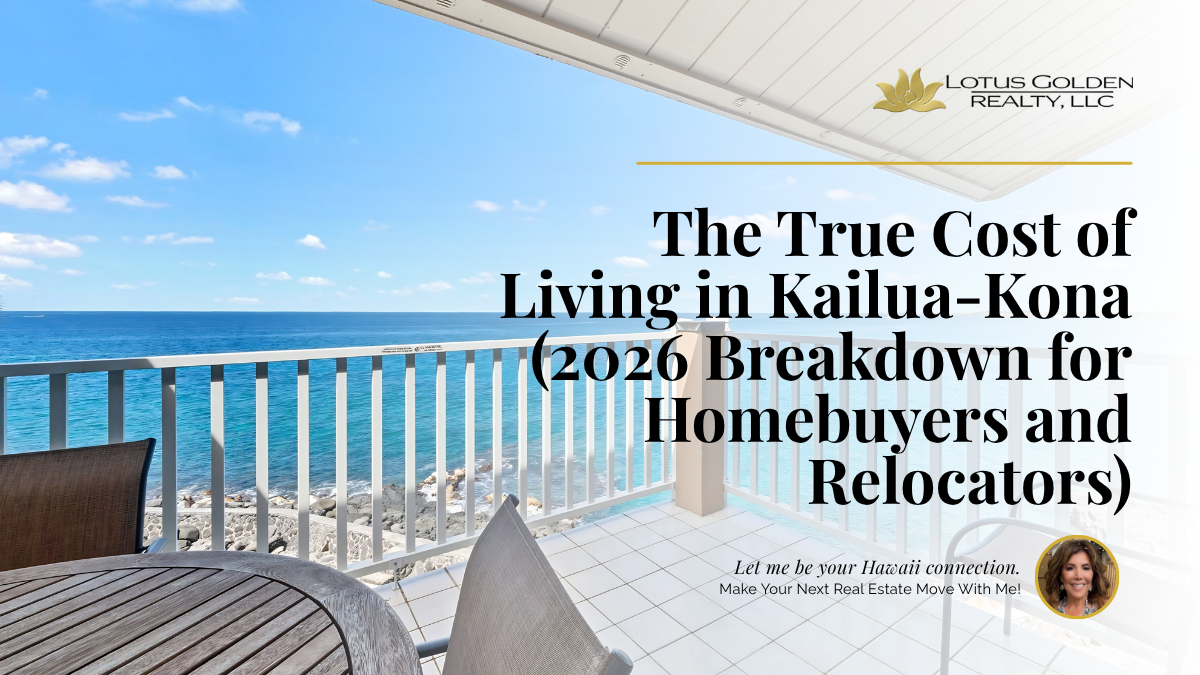
Cost of Living in Kailua-Kona (2026 Guide for Homebuyers)

Kailua-Kona continues to attract mainland buyers, investors, and retirees drawn to its oceanfront lifestyle, resort communities, and year-round warm climate. However, beyond the appeal of luxury homes and coastal living, one of the most important considerations in 2026 is the true cost of living in Kona.

While the lifestyle is undeniably desirable, living in West Hawaii comes with a unique cost structure shaped by import dependency, housing demand, utilities, insurance, and property ownership expenses.

Understanding these factors is essential for anyone considering relocation or investment in the area.

Explore Kona real estate opportunities

Overall Cost of Living: Above the U.S. Average

Hawaii remains the most expensive state in the United States, and Kailua-Kona reflects this trend. Recent cost-of-living data shows that expenses in Hawaii are nearly double the national average, driven primarily by housing and everyday essentials.

In practical terms, this means:

  • Housing is the largest monthly expense for most residents
  • Imported goods significantly increase grocery and retail costs
  • Utilities, especially electricity, remain among the highest in the nation
  • Insurance and maintenance costs are higher due to climate and location factors

Kona offers a high quality of life, but it requires careful financial planning and long-term budgeting.

Housing Costs: The Largest Monthly Expense

Housing in Kailua-Kona varies widely depending on property type and location:

  • Condos and entry-level homes are generally more accessible but include HOA fees
  • Single-family homes in desirable areas command premium pricing due to limited inventory
  • Luxury oceanfront and resort properties sit at the top of the market

Even beyond mortgage payments, buyers must account for:

  • Property taxes
  • Homeowners insurance (often higher for coastal properties)
  • HOA or maintenance fees (for condos and gated communities)
  • Ongoing maintenance due to salt air and tropical weather conditions

These combined costs make housing the dominant factor in overall affordability.

Utilities and Energy Costs

Utility expenses in Kona are significantly influenced by Hawaii’s isolated energy grid and reliance on imported fuel.

Key considerations include:

  • Electricity costs are among the highest in the U.S. due to imported fuel dependency
  • Many homeowners invest in solar energy systems to offset long-term costs
  • Water, internet, and waste services add to monthly recurring expenses
  • Air conditioning usage during summer months can increase energy bills

As a result, utility planning is an important part of total cost-of-ownership analysis for buyers.

Groceries, Goods, and Transportation

Daily living expenses are also higher compared to mainland averages:

  • Most goods are imported, increasing grocery prices
  • Dining out and retail costs reflect transportation and supply chain expenses
  • Vehicle ownership is common due to limited public transportation options
  • Fuel, insurance, and maintenance contribute to ongoing transportation costs

For many residents, location convenience and lifestyle access often outweigh cost efficiency considerations.

Insurance, Maintenance, and Ownership Costs

One of the less visible but important aspects of living in Kona is the cost of ownership beyond the purchase price.

This includes:

  • Higher insurance premiums for coastal exposure and weather risks
  • Maintenance costs associated with humidity, salt air, and tropical conditions
  • Landscaping and exterior upkeep for ocean-adjacent properties
  • HOA fees in resort communities and condominiums

These recurring expenses can significantly impact long-term affordability, especially for luxury or oceanfront properties.

Lifestyle Value vs. Cost Reality

Despite higher costs, many buyers still choose Kailua-Kona because of its lifestyle return on investment:

  • Year-round outdoor living
  • Access to beaches, golf courses, and marina activities
  • Strong luxury real estate market and long-term appreciation potential
  • Lower population density compared to major mainland cities

For many homeowners, the decision is not purely financial—it is a lifestyle-driven investment in quality of life.

Final Insight: Planning Is the Key to Sustainable Living

The true cost of living in Kailua-Kona in 2026 goes beyond mortgage payments or listing prices. It includes utilities, insurance, transportation, and everyday living expenses that collectively shape long-term affordability.

For buyers and investors, success in this market comes from understanding the full financial picture before making a purchase decision.

When properly planned, Kona offers not just a home, but a long-term lifestyle investment in one of the most unique coastal regions in the world.

Explore luxury homes and investment opportunities in Kona

Why Kona Has Lava Rock Walls Everywhere

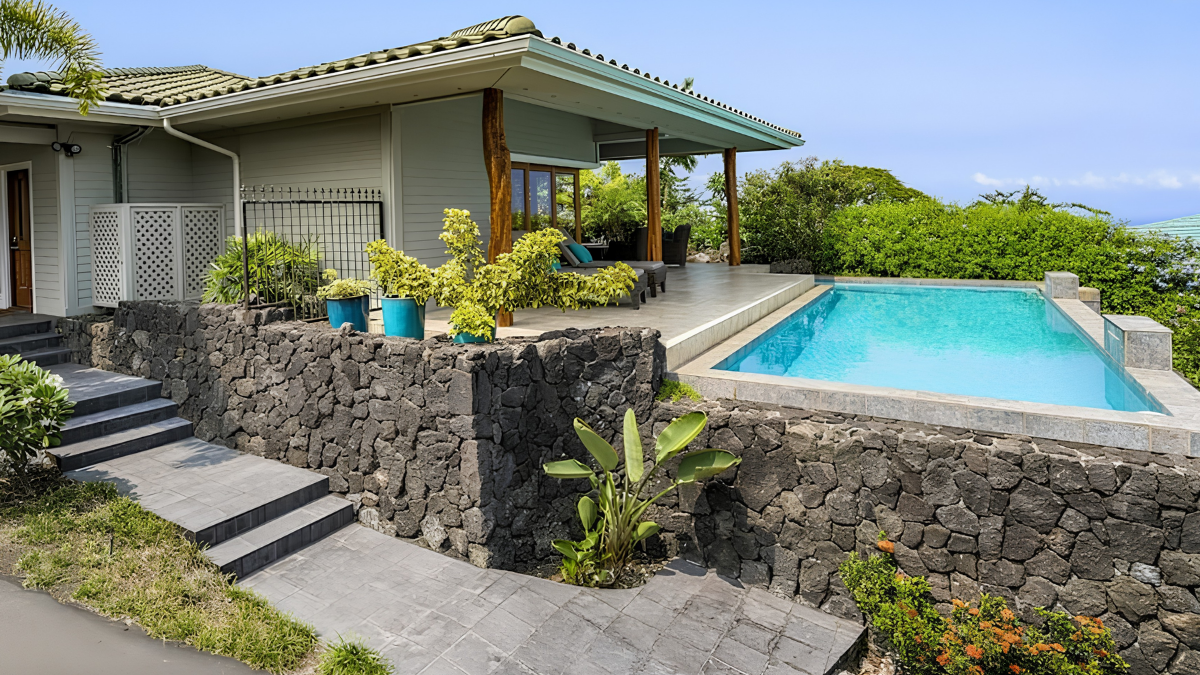
One of the most distinctive visual features of Kailua-Kona and the surrounding Big Island landscape is the widespread use of lava rock walls. From residential properties to resort boundaries and roadway edges, these dark volcanic stone structures are deeply woven into both the aesthetic and functional identity of the island.

But these walls are more than just architectural choices—they reflect Hawaii’s geology, cultural history, and practical adaptation to the environment.

Explore Kona real estate and lifestyle properties

The Geological Foundation: Living on Volcanic Land

The Big Island is the youngest in the Hawaiian chain and is still shaped by active volcanic activity. Much of Kona sits on ancient lava flows created by eruptions from Mauna Loa and Hualālai.

This geology directly influenced construction practices:

  • Lava rock is one of the most abundant natural materials on the island
  • Early settlers and builders used it for durability and accessibility
  • The stone naturally integrates into the rugged terrain, making it ideal for landscaping and boundaries

As a result, lava rock became a practical and sustainable building material long before modern construction methods arrived.

Cultural Significance and Traditional Use

Beyond practicality, lava rock also holds cultural and historical importance in Hawaiian tradition.

Historically, stone walls were used for:

  • Agricultural boundaries (especially in taro and dryland farming areas)
  • Fishpond enclosures and coastal land management
  • Property delineation within ancient Hawaiian land systems

These structures were built with intention and respect for the land, reflecting a deep connection between people, environment, and resource use.

Today, modern lava rock walls continue this legacy while blending into contemporary residential and resort design.

Why Lava Rock Walls Are Still Used in Modern Kona Homes

Even in luxury real estate developments, lava rock remains a preferred material due to its:

1. Durability

  • Resistant to weather, salt air, and coastal conditions
  • Long-lasting with minimal maintenance requirements

2. Natural Aesthetic

  • Blends seamlessly with Kona’s volcanic landscape
  • Enhances curb appeal for luxury properties
  • Creates a sense of privacy without feeling artificial

3. Climate Adaptation

  • Helps define outdoor spaces in open, tropical environments
  • Provides wind resistance in exposed coastal areas

These qualities make lava rock both a functional and aesthetic asset in modern Hawaiian architecture.

From Rural Boundaries to Luxury Estates

Lava rock walls can be seen across a wide spectrum of properties, including:

  • Rural agricultural land divisions
  • Residential neighborhoods in Kona and Upcountry areas
  • Luxury estates in gated communities and resort developments

In high-end real estate, these walls are often intentionally designed into landscaping plans, reinforcing exclusivity while maintaining a natural island feel.

A Defining Element of Kona’s Identity

Beyond construction and function, lava rock walls contribute to the visual identity of Kona itself. They represent:

  • The island’s volcanic origin
  • A blend of tradition and modern living
  • A design philosophy rooted in natural integration

For many residents and visitors, these walls are one of the first visual cues that they are truly in a unique volcanic coastal environment, unlike anywhere else in the world.

Final Insight: Where Nature Shapes Design

In Kailua-Kona, architecture does not exist separately from the land—it is shaped by it. Lava rock walls are a clear example of how geography directly influences lifestyle, design, and real estate development.

They are not just boundaries or decorative features; they are a reflection of Hawaii’s natural history and cultural evolution, seamlessly integrated into both everyday living and luxury estates.

Discover Kona lifestyle and luxury homes

Big Island Short-Term Rental Laws: 2026 Investor Guide

Short-term rentals remain a significant part of Hawaii’s real estate investment landscape, particularly in high-demand destinations like the Big Island. However, in 2026, regulatory frameworks are continuing to evolve, making it essential for property owners and investors to stay informed and compliant.

Understanding local zoning rules, registration requirements, and enforcement trends is no longer optional—it directly impacts investment viability, occupancy potential, and long-term returns.

Explore Big Island investment opportunities

Why Short-Term Rental Regulations Matter More in 2026

As tourism demand continues, local governments are placing increased focus on balancing housing availability with vacation rental activity. This has led to:

  • More defined zoning restrictions in residential areas
  • Increased monitoring of unlicensed short-term rentals
  • Stronger enforcement of transient accommodation rules
  • Greater emphasis on tax compliance and registration

For investors, this means that due diligence is now a critical part of the purchase decision, not just an operational concern after acquisition.

Zoning and Location Restrictions

One of the most important factors in operating a vacation rental is whether the property is legally permitted for short-term use.

Across the Big Island:

  • Resort zones generally allow more flexible vacation rental activity
  • Residential zones may have strict limitations or require special permits
  • Certain neighborhoods may face additional restrictions based on community planning decisions

This creates a highly localized regulatory environment where two properties just miles apart may have completely different rental capabilities.

Registration and Compliance Requirements

To operate legally, vacation rental owners must typically comply with:

  • County registration or permitting systems
  • Transient accommodations tax (TAT) and general excise tax (GET) obligations
  • Safety and occupancy regulations
  • Ongoing reporting or renewal requirements depending on jurisdiction

Non-compliance can result in fines, penalties, or suspension of rental activity, making proper setup essential before listing a property.

Enforcement Trends and Market Impact

Recent enforcement trends show a shift toward:

  • Increased monitoring of online listings
  • Crackdowns on unpermitted vacation rentals
  • Greater collaboration between platforms and local authorities

This has had a direct impact on the market by:

  • Reducing supply in certain non-compliant segments
  • Increasing demand for legally permitted vacation rental properties
  • Strengthening value for properties located in resort-zoned areas

For investors, this creates a clear separation between compliant, high-value assets and higher-risk properties.

Risk vs. Reward in Vacation Rental Investing

Short-term rentals can still be highly profitable, but the risk profile has changed.

Higher Stability Assets:

  • Resort-zoned properties
  • Legally permitted vacation rentals
  • Properties with established rental history

Higher Risk Assets:

  • Properties in unclear zoning areas
  • Listings operating without proper permits
  • Homes dependent on informal or inconsistent rental activity

Understanding this distinction is essential when evaluating long-term investment performance and exit strategy potential.

How Investors Can Stay Ahead

Successful investors in 2026 are focusing on:

  • Verifying zoning and permit status before purchase
  • Working with local experts familiar with county regulations
  • Monitoring policy updates that may affect rental eligibility
  • Prioritizing properties with clear legal standing

This proactive approach reduces risk and helps ensure stable, predictable income potential.

Final Insight: Compliance Is Now a Core Investment Strategy

Short-term rental regulations on the Big Island are no longer a background consideration—they are a central factor in investment decision-making.

In 2026, the most successful investors are those who treat compliance as part of their acquisition strategy, not just an operational requirement. Legal clarity, zoning certainty, and regulatory awareness now directly influence property value, rental income, and long-term exit potential.

Explore compliant investment properties in Kona

Eco-Friendly Rental Upgrades in Hawaii: 2026 Investor Guide

Short-term rentals remain a significant part of Hawaii’s real estate investment landscape, particularly in high-demand destinations like the Big Island. However, in 2026, regulatory frameworks are continuing to evolve, making it essential for property owners and investors to stay informed and compliant.

Understanding local zoning rules, registration requirements, and enforcement trends is no longer optional—it directly impacts investment viability, occupancy potential, and long-term returns.

Explore Big Island investment opportunities

Why Short-Term Rental Regulations Matter More in 2026

As tourism demand continues, local governments are placing increased focus on balancing housing availability with vacation rental activity. This has led to:

  • More defined zoning restrictions in residential areas
  • Increased monitoring of unlicensed short-term rentals
  • Stronger enforcement of transient accommodation rules
  • Greater emphasis on tax compliance and registration

For investors, this means that due diligence is now a critical part of the purchase decision, not just an operational concern after acquisition.

Zoning and Location Restrictions

One of the most important factors in operating a vacation rental is whether the property is legally permitted for short-term use.

Across the Big Island:

  • Resort zones generally allow more flexible vacation rental activity
  • Residential zones may have strict limitations or require special permits
  • Certain neighborhoods may face additional restrictions based on community planning decisions

This creates a highly localized regulatory environment where two properties just miles apart may have completely different rental capabilities.

Registration and Compliance Requirements

To operate legally, vacation rental owners must typically comply with:

  • County registration or permitting systems
  • Transient accommodations tax (TAT) and general excise tax (GET) obligations
  • Safety and occupancy regulations
  • Ongoing reporting or renewal requirements depending on jurisdiction

Non-compliance can result in fines, penalties, or suspension of rental activity, making proper setup essential before listing a property.

Enforcement Trends and Market Impact

Recent enforcement trends show a shift toward:

  • Increased monitoring of online listings
  • Crackdowns on unpermitted vacation rentals
  • Greater collaboration between platforms and local authorities

This has had a direct impact on the market by:

  • Reducing supply in certain non-compliant segments
  • Increasing demand for legally permitted vacation rental properties
  • Strengthening value for properties located in resort-zoned areas

For investors, this creates a clear separation between compliant, high-value assets and higher-risk properties.

Risk vs. Reward in Vacation Rental Investing

Short-term rentals can still be highly profitable, but the risk profile has changed.

Higher Stability Assets:

  • Resort-zoned properties
  • Legally permitted vacation rentals
  • Properties with established rental history

Higher Risk Assets:

  • Properties in unclear zoning areas
  • Listings operating without proper permits
  • Homes dependent on informal or inconsistent rental activity

Understanding this distinction is essential when evaluating long-term investment performance and exit strategy potential.

How Investors Can Stay Ahead

Successful investors in 2026 are focusing on:

  • Verifying zoning and permit status before purchase
  • Working with local experts familiar with county regulations
  • Monitoring policy updates that may affect rental eligibility
  • Prioritizing properties with clear legal standing

This proactive approach reduces risk and helps ensure stable, predictable income potential.

Final Insight: Compliance Is Now a Core Investment Strategy

Short-term rental regulations on the Big Island are no longer a background consideration—they are a central factor in investment decision-making.

In 2026, the most successful investors are those who treat compliance as part of their acquisition strategy, not just an operational requirement. Legal clarity, zoning certainty, and regulatory awareness now directly influence property value, rental income, and long-term exit potential.

Explore compliant investment properties in Kona